Traders of Environmental Progress
STX Group is a global environmental commodities trader offering physical and financial solutions across compliance and voluntary systems for energy, fuels, gas and carbon markets.

Traders of Environmental Progress
STX Group is a global environmental commodities trader offering physical and financial solutions across compliance and voluntary systems for energy, fuels, gas and carbon markets.

Transforming Climate Challenges into Business Progress
STRIVE is the advisory arm of STX Group, helping companies meet climate targets through high-impact strategies and cost-efficient decarbonization pathways.
Report
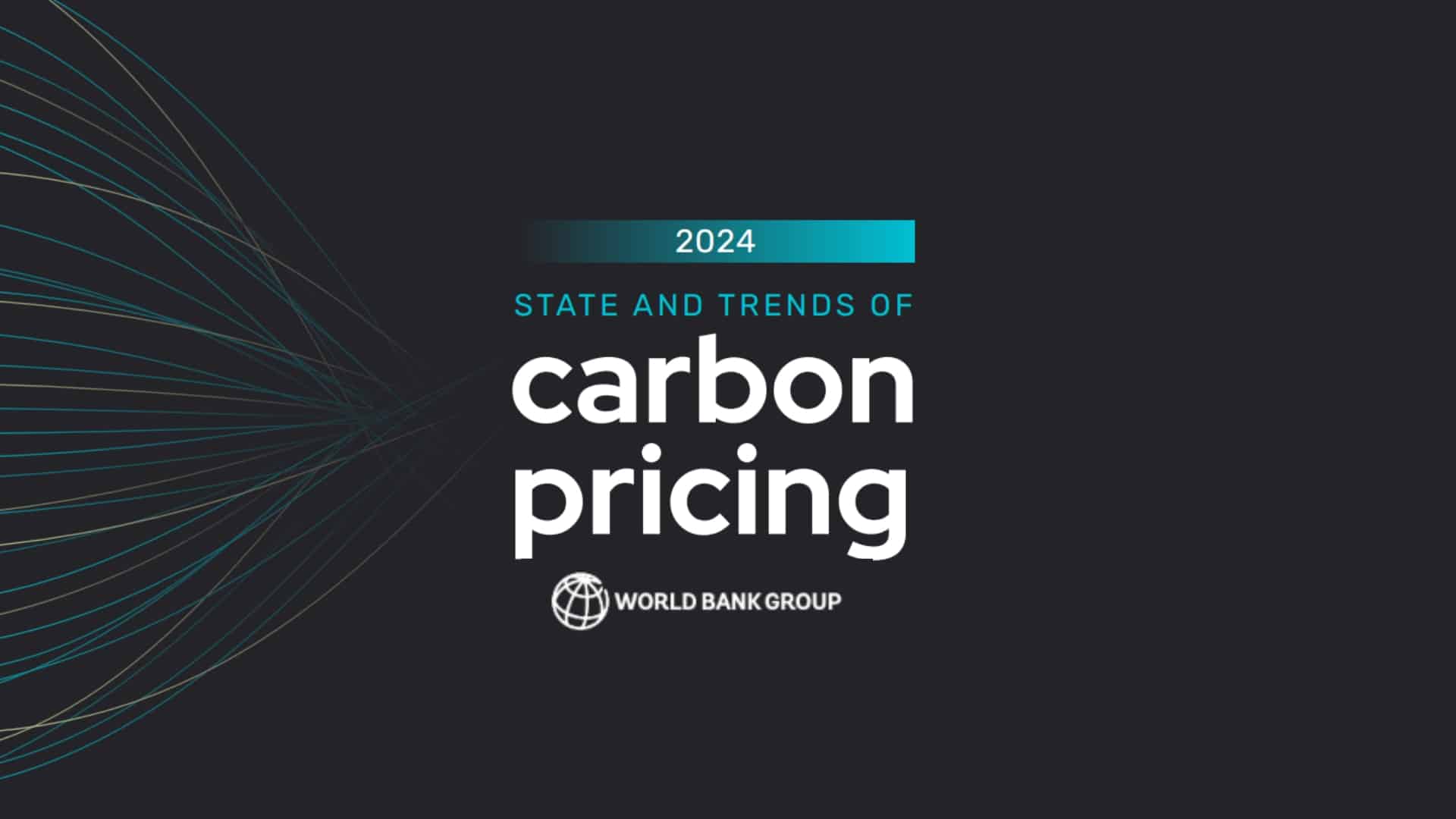
In 2024, carbon markets grew to cover over 24% of global emissions, with revenues exceeding $104 billion. Key trends include expanding carbon pricing to new sectors like aviation and waste, a shift in the voluntary market towards high-quality removal credits over reduction credits, and increased corporate interest in long-term offtake agreements for carbon removal projects to gain more control and certainty. However, despite progress, current pricing levels are still insufficient to meet the Paris Agreement goals.
Among other highlights, this report mentions:
The development of this report was led by the World Bank and prepared by experts from the World Bank and adelphi. Contributions, including on data and information on emissions trading systems, were provided by the International Carbon Action Partnership. Additional data and contributions were also provided by Ecosystem Marketplace. Platts, S&P Global Commodity Insights, and the Institute for Climate Economics also supported development of this report.

This article is part 2 of a three-part Vertis series on the Carbon Border Adjustment Mechanism (CBAM). Article 1 covered what CBAM is and who pays. This article explai.....