Traders of Environmental Progress
STX Group is a global environmental commodities trader offering physical and financial solutions across compliance and voluntary systems for energy, fuels, gas and carbon markets.


Traders of Environmental Progress
STX Group is a global environmental commodities trader offering physical and financial solutions across compliance and voluntary systems for energy, fuels, gas and carbon markets.

Transforming Climate Challenges into Business Progress
STRIVE is the advisory arm of STX Group, helping companies meet climate targets through high-impact strategies and cost-efficient decarbonization pathways.
News
Germany’s national CO₂ pricing system (nEHS) was a true pioneer, tackling emissions from road transport and heating. Its success helped inspire the EU’s expansion of carbon pricing through ETS2, designed to address the same sectors across all Member States. But the planned transition from German to EU wide system hasn’t gone as expected.
With the entry into force of ETS2 delayed until 2027, uncertainty has emerged around the future of the German system, originally meant to merge into the EU framework.
What does it mean for the German CO2 price?
From 2026 onward, Germany will move away from a fixed carbon price. Instead, CO₂ certificates will be auctioned in a range of approximately €55–65.
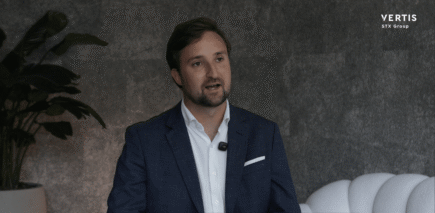
However, according to Adrian Wappes, Corporate Trader at Vertis Environmental Finance, auction volumes are expected to cover only around two-thirds of market demand, a scarcity that will push prices to the upper limit.
And what could happen in 2027? The delay of ETS2 raises key questions for market participants, policymakers, and energy consumers in Germany. Read our full insights and market perspective in collaboration with Handelsblatt